Call of My Life wins the Favourite Feature Narrative Audience Award at BlackStar Film Festival, adding to the Nollywood film’s growing success
Nollywood romantic comedy Call of My Life, directed by Nigerian filmmaker Dammy Twitch, won the Favourite Feature Narrative Audience Award at the 2026 BlackStar Film Festival in Philadelphia, Pennsylvania, after screening at the festival on August 7, 2026.
The award gives the Nigerian production another notable international recognition and extends an impressive year for a film that has already made a strong impression with cinema audiences at home.
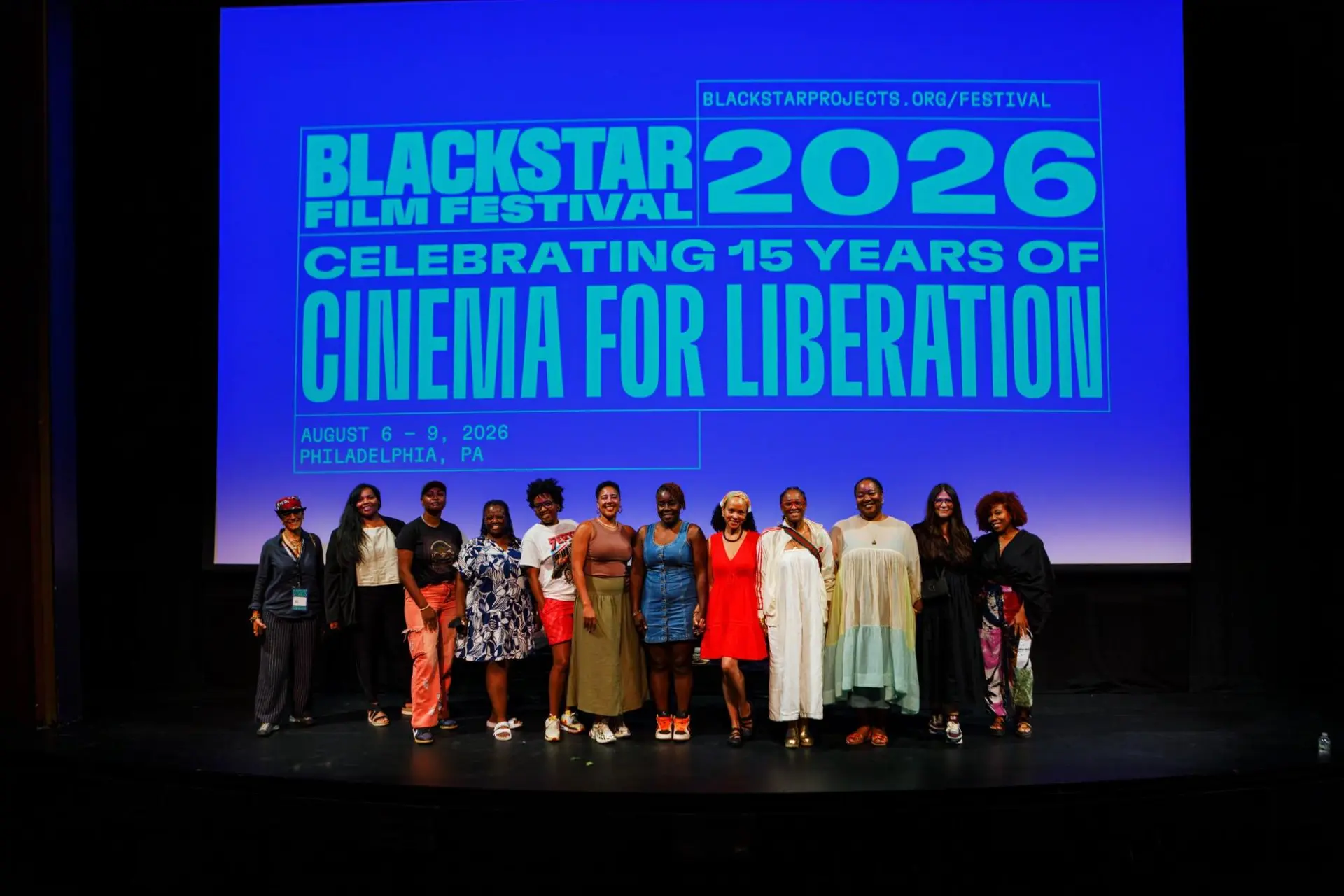
BlackStar Projects, organisers of the festival, selected Call of My Life for the 2026 programme, which brought together films by Black, Brown and Indigenous filmmakers from around the world. The festival ran from August 6 to 9 in Philadelphia.
The film’s recognition came through the festival’s audience award category, placing audience response at the centre of the honour rather than the jury-led competition.
That distinction is significant for a romantic comedy whose commercial success has been driven largely by its ability to connect with mainstream viewers.
Call of My Life follows Soluchi, played by Uzoamaka Power, a call centre agent trying to recover from heartbreak after a relationship ends.
Her circumstances take an unexpected turn when a routine work call connects her with Eli, played by Andrew Yaw Bunting.
What begins as an ordinary customer interaction gradually develops into a relationship, allowing the film to explore love, vulnerability, friendship and the possibility of starting again after disappointment.
Power also wrote the screenplay, while Blessing Uzzi produced the film under BluHouse Studios.
The cast includes Beverly Osu, Nkem Owoh, Patience Ozokwor, Zubby Michael, Broda Shaggi and Justin UG.
For Dammy Twitch, whose background is in music-video directing, the project marked a move into feature filmmaking.
His transition to cinema came after years of working in Nigeria’s music industry, where he built a reputation for visually driven productions.
The film’s festival success follows a remarkable theatrical run in Nigeria.
Released on May 15, Call of My Life quickly became one of the year’s strongest-performing Nigerian films.
By June, it had grossed about ₦498 million across West African cinemas and had spent four consecutive weekends as the number one film at the box office.
The film subsequently crossed the ₦600 million mark, with industry reports putting its Nigerian cinema gross at more than ₦628 million by late June. That performance made it the highest-grossing Nollywood film of 2026 at the time.
Its commercial performance was notable partly because the film arrived outside Nigeria’s traditional December blockbuster period.
Its success suggested that audiences were willing to turn out strongly for locally produced romantic stories when the production and marketing connected with them.
The BlackStar award adds another dimension to that success.
Unlike a box-office ranking, an audience award reflects how viewers responded to the film in a festival setting, where films from different parts of the Black and Indigenous filmmaking community are presented to audiences with varied cultural backgrounds.
BlackStar Film Festival, founded in 2012, has developed into an important platform for Black, Brown and Indigenous filmmakers and artists.
Its programme extends beyond screenings to include conversations, exhibitions, filmmaker development initiatives and other cultural programmes.
The 2026 edition featured films from a broad international field, with the festival describing its programme as a celebration of visionary cinema from the global majority. Call of My Life was added to the official line-up in June.
The award therefore gives the Nigerian production visibility beyond its domestic commercial achievement.
It also arrives at a time when Nollywood’s international profile continues to expand through film festivals, streaming platforms and increasingly competitive theatrical releases.
For the filmmakers behind Call of My Life, the Philadelphia recognition offers a useful bridge between commercial popularity and international cultural recognition.
The film has already demonstrated that a Nigerian romantic story can attract large cinema audiences.
Its BlackStar achievement now provides evidence that the same story can also resonate with viewers in an international festival environment.
The result is a particularly encouraging moment for Power, Twitch, Uzzi and the wider production team, whose film has moved from a successful Nigerian cinema release to an internationally recognised festival title within a few months.
For Nollywood, the award is another reminder that Nigerian films can travel beyond the domestic market when their stories find a connection with audiences at home and abroad.










 Culture4 years ago


