Entertainment
Daddy Showkey Marks 50 Years on Stage in Grand Style
Published
2 months agoon

Daddy Showkey 50 Years on Stage culminates in a star-studded Lagos concert celebrating his Galala legacy, career and enduring influence
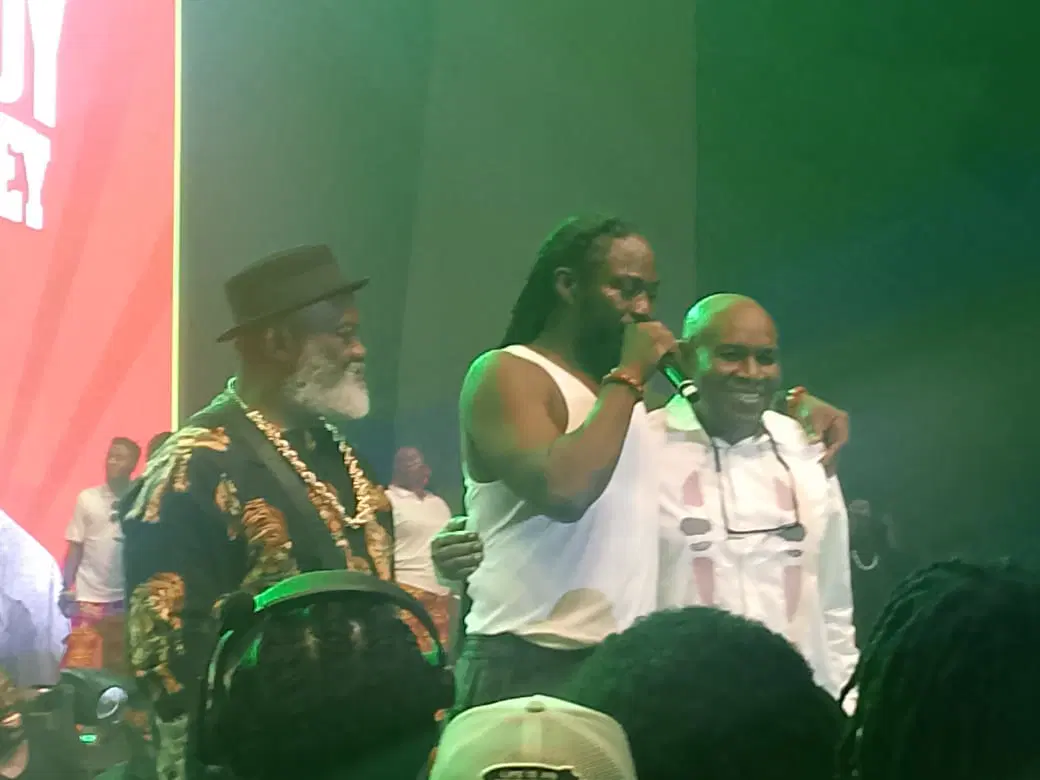
Legendary Nigerian musician John Odafe Asiemo, popularly known as Daddy Showkey, celebrated 50 years on stage with a grand anniversary concert at Eko Hotels and Suites, Victoria Island, Lagos, on Sunday, August 9, 2026, bringing together generations of Nigerian entertainers and fans to honour his remarkable career.
Also read: 2Baba Reveals Daddy Showkey Once Gave Him $100
The event, titled “The Journey! My 50 Years on Stage as an Entertainer,” formed the finale of a week-long celebration that also marked Daddy Showkey’s 56th birthday. The singer turned 56 on August 4.
The celebration was rooted in the entertainer’s long relationship with Nigerian popular culture, particularly the street sound that made him one of the defining musical figures of the 1990s.
Daddy Showkey rose to prominence from Ajegunle, Lagos, where he grew up, and became one of the leading pioneers of Galala, a distinctive blend of dancehall, reggae and Afro-street music.
His energetic performances and signature dance moves helped carry the sound from the streets into the Nigerian mainstream.
The Lagos concert brought together established and younger names from the Nigerian music scene.
Performers associated with the celebration included 2Baba, 9ice, Tony Tetuila, African China, Danfo Drivers, Marvelous Benjy, Korede Bello, Baba Fryo, Cobhams and Teni, among others.
The choice of performers reflected the breadth of Daddy Showkey’s influence. Some shared the same era and musical culture that shaped his career, while others represented generations that followed.
The celebration was also deeply personal for the veteran entertainer. Rather than making the occasion solely about his own achievements, Daddy Showkey used the platform to recognise people and institutions that played meaningful roles in his journey.
One of the notable moments came when he invited Onochie Anibeze, Vanguard Saturday Editor, onto the stage to acknowledge Vanguard Media Limited for publishing what he described as the first newspaper story about him.
Daddy Showkey recalled his early days with the music group De Pretty Busy Boys, which included Cashman Davies, Daddy Fresh, Sexy Pretty and Roland Okafor.
He remembered trekking across Kirikiri Bridge after school and passing the Vanguard premises while imagining that the newspaper would one day write about him.
“We used to trek across Kirikiri bridge after school and pass by Vanguard,” Daddy Showkey recalled. “I told myself one day Vanguard would write about me.”
That moment eventually came, and the singer said the newspaper’s early recognition meant a great deal to him.
He also remembered the late Ogbonna Amadi, Vanguard’s former Entertainment Editor, whom he credited as an important mentor during his formative years.
The concert carried an additional layer of significance because of Daddy Showkey’s long association with Eko Hotels.
Vanguard reported that his relationship with the venue dates back to its early days, when he performed an acrobatic display around the time the hotel opened.
Another memorable gesture came from 2Baba, who used the occasion to reflect on Daddy Showkey’s impact on his own career.
He recalled receiving his first $100 from the veteran entertainer and described the gesture as one he had never forgotten.
The anniversary did not begin at Eko Hotels. Daddy Showkey had earlier announced that the celebrations would include an August 8 concert in Ajegunle, the Lagos community closely associated with his upbringing and musical identity, before the grand finale the following day.
The two-part celebration offered a fitting link between the past and present. Ajegunle represented the environment in which Daddy Showkey developed his artistic identity, while the Eko Hotels finale placed that journey on one of Lagos’ major entertainment stages.
Born on August 4, 1970, Daddy Showkey began performing professionally at a young age and rose to prominence in the early 1990s.
His breakthrough coincided with the growth of Ajegunle’s street music culture, which produced several influential Nigerian acts.
His catalogue includes songs such as “Fire Fire”, “Diana”, “The Name”, “Ghetto Soldier” and “Jehovah”, while his music has explored themes ranging from love and faith to social realities and street life.
His contribution, however, extends beyond individual records. Galala became a cultural marker of an era, influencing the sound, language, dance and visual identity of Nigerian street music. Daddy Showkey emerged as one of its most recognisable ambassadors.
The significance of the 50-year milestone also lies in its unusual longevity. Daddy Showkey has remained connected to Nigerian entertainment through major shifts in the industry, from the era of physical music sales and live street performances to today’s digital and streaming-driven landscape.
His anniversary therefore became more than a birthday celebration. It was a powerful reminder of how artists can become part of the cultural memory of a generation, particularly when their music is closely connected to a place and a community.
At 56, and after five decades as an entertainer, Daddy Showkey used the occasion to celebrate not only his own survival in a demanding industry but also the people, places and institutions that helped shape his story.
Also read: 2Baba Reveals Daddy Showkey Once Gave Him $100
The final message of “The Journey” was consequently less about looking backwards than recognising the enduring reach of a career that began in Ajegunle and grew into one of the most distinctive stories in Nigerian street music.
Related
You may like

Tems, Runtown Headline Spotify’s Intimate Lagos Showcase

Fowode Launches Ijebu Detty December for 3-Day Festival

Adewale Ayuba Announces New 5-Track ‘Arise’ Album

Omotola’s Daughter Meraiah Announces Engagement

Davido threatens to leave UK stage after fan allegedly disrespects staff

2Baba Reveals Daddy Showkey Once Gave Him $100
Events
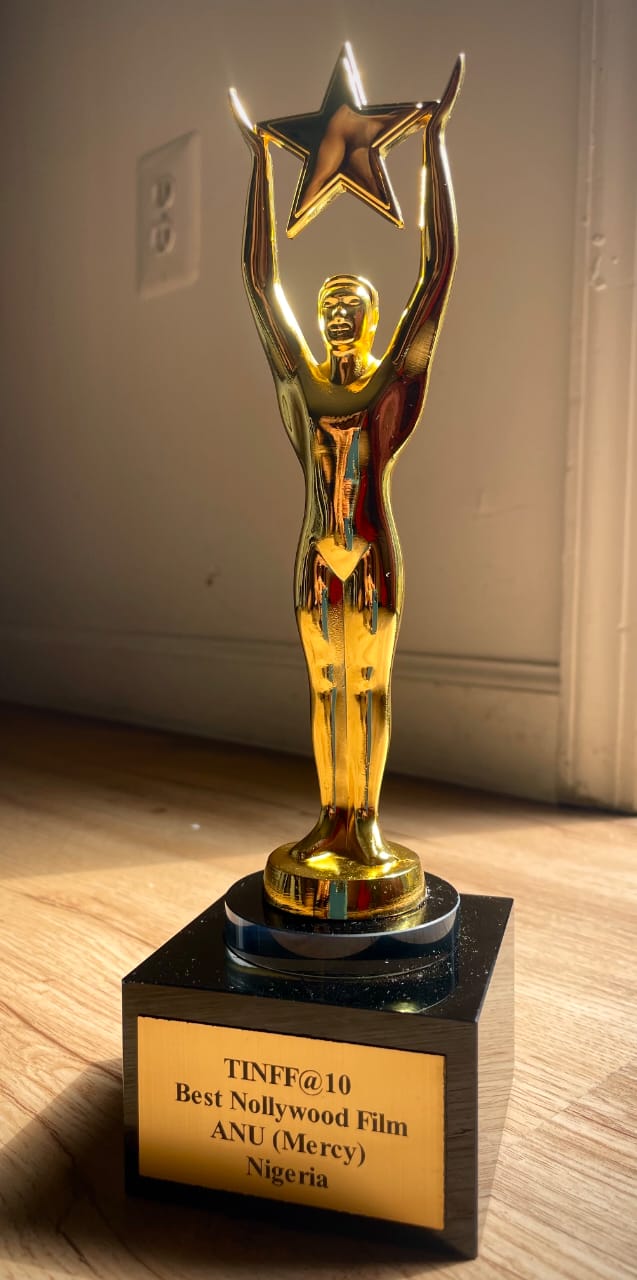
Nigerian Film ‘Anu (Mercy)’ Wins Best Nollywood Award in Toronto
Published
1 day agoon
October 9, 2026
Anu (Mercy) film award recognition sees Temitope Jude Egwu’s debut feature win Best Nollywood Film at the 2026 Toronto International Nollywood Film Festival (more…)
Related

By Halima Adaba,
It was a featubal if the people. It was for the anciebt town of Ile Ife, which the Yoruba race refards as the Source.
Also read: Olojo Festival 2026: Ooni Urges Leaders to Prioritise Citizens
And ut was a festivsl for the King, Arole Oduduwa, Oonirisa, Adeyeye Enitan Ogunwusi, Ojaja II.
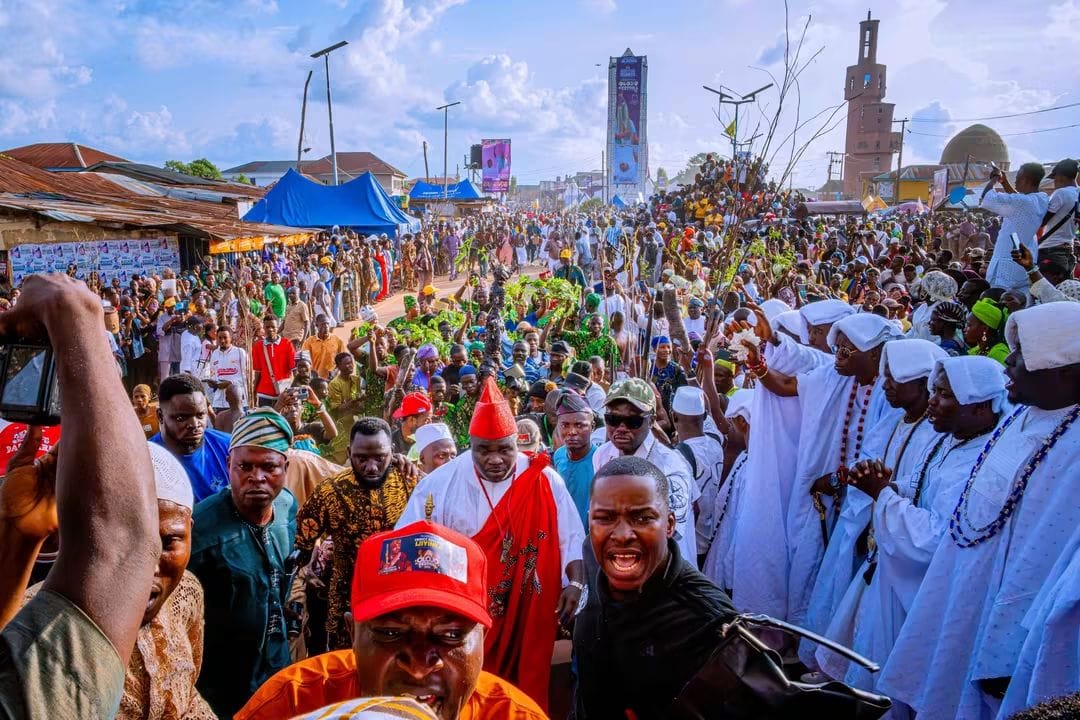
And so between September 24 and 28th 2026, the annual featuval dazzjed in all its white glory.
Tge Monarch paid the traditional ancestral homage and offered propitiation as part of the sacred rites of the Olojo Festival.
It was a powerful expression of Yoruba heritage, spirituality, and enduring tradition.
Call it a collection of beautiful moments, faces, colours and cultural expressions.
Every frame tells a story.
Every face carries the energy.
Every moment keeps the heritage alive.
Undoubtedly one of the most sacred cultural celebrations in Ilé-Ifẹ̀. It marked a day associated with creation, thanksgiving, ancestral heritage, and the sacred appearance of the Ooni of Ife wearing the revered Aàrẹ crown.
There were also the devotees of the famed god of thunder – Sàngó who were hardly conspicuous at the festival.
Many other traditional groups came out with candor, showing a powerful expression of Yoruba cultural identity, spiritual devotion, and respect for the ancient traditions of Ilé-Ifẹ̀.
Devotees of Sàngó bekieved the ‘appearance’ of the god of thunder on Seotember 26th could be understood as a symbolic meeting of ancestral heritage, spiritual devotion, and the celebration of creation.
It was a moment when the sounds of drums, chants, and traditional praise poetry brought the history of the Yoruba people to life.
Although Olojo is closely associated with Ogun, the god of iron, and the sacred traditions of Ile-Ife, the presence of Sàngó devotees reflected the rich diversity of Yoruba spiritual heritage.
Also read: Olojo Festival 2026: Ooni Urges Leaders to Prioritise Citizens
As a participant enthused at the festival, “To witness Sàngó Olúkòso emerge on Olojo Festival day is to witness a living expression of history, identity, and ancestral pride.”

Related
Entertainment
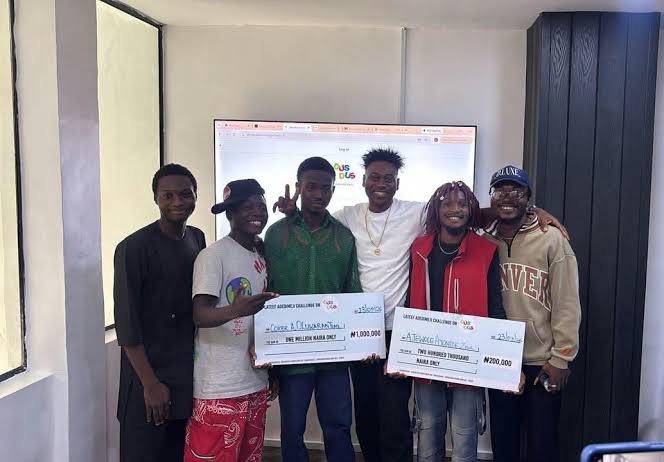
Lateef Adedimeji Honours First 10 Baba Eta Challenge Winners
Published
2 weeks agoon
September 29, 2026
Lateef Adedimeji rewards the first 10 Baba Eta Challenge winners, with Coker Oluwarantimi receiving N1m at a presentation in Lagos (more…)
Related

Nigerian Film ‘Anu (Mercy)’ Wins Best Nollywood Award in Toronto

OLOJO….Ile Ife’s September Gift To Culture

Lateef Adedimeji Honours First 10 Baba Eta Challenge Winners
Trending
Culture4 years agoThe Four Igbo Market Days and Their Significance In Omenala ÌGBÒ
Business3 years agoOoni of Ife Discusses Business and Peace Initiative in Kenya
Events4 years agoGlamour, glitz as B’obagunwa Omo’ba Obinrin Akile Ijebu celebrates New Year party (Photos)
Culture4 years agoOutrage as Ezendigbo of Ibadanland confers chieftaincy title on Olubadan
Events4 years agoOnitoomu of Ito-Omu installs two new chiefs (Video, Photos)
Events2 years agoEgbe Bobasete: The New Fashion Sensation Elevates 2024 Ojude Oba Festival (Video, Photos)
Paranormal4 years agoBlack Cat Superstition: Good and Bad Luck Beliefs
Events3 years agoNANTAP Convention 2023: Reshaping Nigerian Theatre Arts for economic growth