Connect with us

Culture

Door of Return Badagry Festival Sparks African Renaissance

Published

on

Door of Return Badagry

Door of Return Badagry festival unites African diaspora, celebrating homecoming, healing, and cultural renaissance with global dignitaries and returnees

The Door of Return Badagry festival has redefined history, transforming the once sorrowful “Point of No Return” into a vibrant symbol of healing, reconnection, and a new African renaissance.

Also read: Badagry Door of Return Festival Inspires Homecoming

The 5th edition of the festival, organised by the African Renaissance Foundation (AREFO) alongside the African Door of Return Experience (ADORE), Lagos State Government, and Badagry Local Government, attracted returnees and dignitaries from Brazil, Cuba, the United States, the United Kingdom, and beyond.

Through chants, royal displays, and emotional reunions, the festival celebrated Africa’s shared heritage and the reconnection of diaspora descendants with their ancestral homeland.

Nobel Laureate Prof. Wole Soyinka, delivering the keynote address, described the festival not just as a commemorative event, but “the opening chapter of a global return.”

He highlighted the significance of diaspora narratives in completing the African story. Soyinka also announced a historic 2026 intercontinental voyage from Brazil to Badagry, a reverse journey of the slave route — this time symbolising dignity, healing, and ancestral reunion.

Mrs. Abike Dabiri-Erewa, Chairman of the Nigerians in Diaspora Commission (NiDCOM), revealed that over 2,000 African descendants from Brazil and Cuba will participate in the 2026 voyage. “They return not as captives,” she emphasised, “but as kings and queens.”

The Lagos State Government pledged to further transform Badagry into a global heritage tourism hub, including the construction of a permanent Door of Return Monument — a beacon of reflection, rebirth, and cultural pride.

Festival participants shared deeply moving testimonies. Dr. David Anderson, founder of A.D.O.R.E., described his vision for a cultural and healing resort on ten acres of Badagry land, aiming to offer returning diaspora a space for rediscovery and empowerment.

Brazilian visitor Eliza Macimento spoke of the healing experienced by standing on ancestral soil, while her compatriot Carolina brought her children to connect with their heritage.

Music and culture amplified the festival’s message. Legendary musician Jeffrey Daniels of Shalamar declared, “Africa is not just history, Africa is destiny,” while Cuban Ambassador Miriam Morales Palmero highlighted the indelible African influence on Cuba’s identity.

Local leaders, including Hon. Bonu Solomon and Hon. Babatunde Hunpe, affirmed Badagry’s status as sacred ground and a global hub of return.

The festival showcased African aesthetics in full: boat regattas on the lagoon, ancestral masquerades, Zangbeto performances, royal pageantry, and rhythmic drumbeats that reverberated across the coast. Each act told a story of identity reclaimed and wounds beginning to close.

The Door of Return Badagry festival signals a profound shift: from sorrow to strength, from exile to intentional homecoming. Africa is calling her diaspora not as victims but as leaders and visionaries.

Also read: Badagry Cultural Film Controversy Sparks Unforgettable Backlash Against New Release

The tide has turned, and the Door of Return has opened — not as a point of no return, but as the beginning of a united Pan-African future.

Continue Reading
Click to comment

Leave a Reply

Culture

Ofala festival: Obi of Onitsha marks 25 Years on throne

Published

on

 Ofala Festival 2026 celebrated Onitsha’s royal heritage as Obi Nnaemeka Achebe marked 25 years on the throne and addressed Nigeria’s economic challenges.

(more…)

Continue Reading

Culture

Crowds Gather for Rare Sunrise at Egypt’s Abu Simbel Temple

Published

on

Abu Simbel

Hundreds of tourists gathered at Egypt’s Abu Simbel temple to witness the twice-yearly sunrise ceremony illuminating Pharaoh Ramses II’s statue

Hundreds of tourists gathered at Egypt’s Abu Simbel temple on Thursday to witness a spectacular sunrise phenomenon in which sunlight illuminated the face of the statue of Pharaoh Ramses II, an event that occurs only twice a year.

Also read: 16 Famous Cultural Festivals That Define India

The ancient astronomical ceremony drew visitors from different parts of the world to the archaeological site in southern Egypt on October 22, one of two dates associated with the phenomenon.

The second occurrence takes place on February 22, when the rising sun illuminates the temple’s interior.

Egyptian tour guide Yasser Fouad described the occasion as extraordinary, saying some visitors had stayed overnight to secure the opportunity to witness the event.

“Today is an extraordinary day, everyone is keen, there are people who stayed over the night, foreigners who actually spent the night in Abu Simbel to see this phenomenon,” Fouad said.

The Great Temple of Ramses II at Abu Simbel dates back to the 13th century BC and is among Egypt’s most prominent archaeological attractions.

Built during the reign of Ramses II, one of ancient Egypt’s most powerful pharaohs, the temple is renowned for its monumental statues and sophisticated architectural design.

The twice-yearly sunrise phenomenon is a major attraction, drawing visitors eager to witness the interaction between sunlight and the temple’s ancient structure.

The dates have traditionally been associated with significant moments in Ramses II’s life.

October 22 is commonly linked to his birthday, while February 22 is associated with his accession to the throne.

However, the precise historical reasons behind the dates remain debated.

Some archaeologists have proposed alternative explanations, including that they may have marked the pharaoh’s coronation and birthday.

Abu Simbel underwent a major international rescue operation in the 1960s, when archaeologists and engineers relocated the temples to protect them from flooding caused by the construction of the Aswan High Dam.

The monumental structures were cut into large blocks and reassembled at a higher location, preserving the site for future generations.

The relocation was one of the most significant archaeological preservation projects of the 20th century.

Despite the move, the temple continues to attract visitors for its ancient Egyptian art, monumental architecture and remarkable alignment with the rising sun.

Also read: 16 Famous Cultural Festivals That Define India

The annual gatherings highlight the enduring appeal of Egypt’s archaeological heritage and the continuing fascination with the astronomical knowledge and engineering achievements of its ancient civilisation.

Continue Reading

Culture

16 Famous Cultural Festivals That Define India

Published

on

India

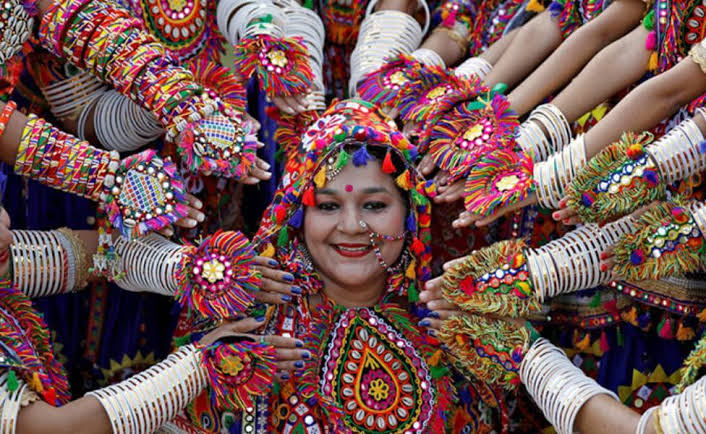
Discover 16 famous cultural festivals in India, from Diwali and Holi to Rath Yatra and the Pushkar Camel Fair, celebrating the country’s rich heritage (more…)

Continue Reading

Trending