
Culture
African Leaders Unite to End Gender-Based Violence


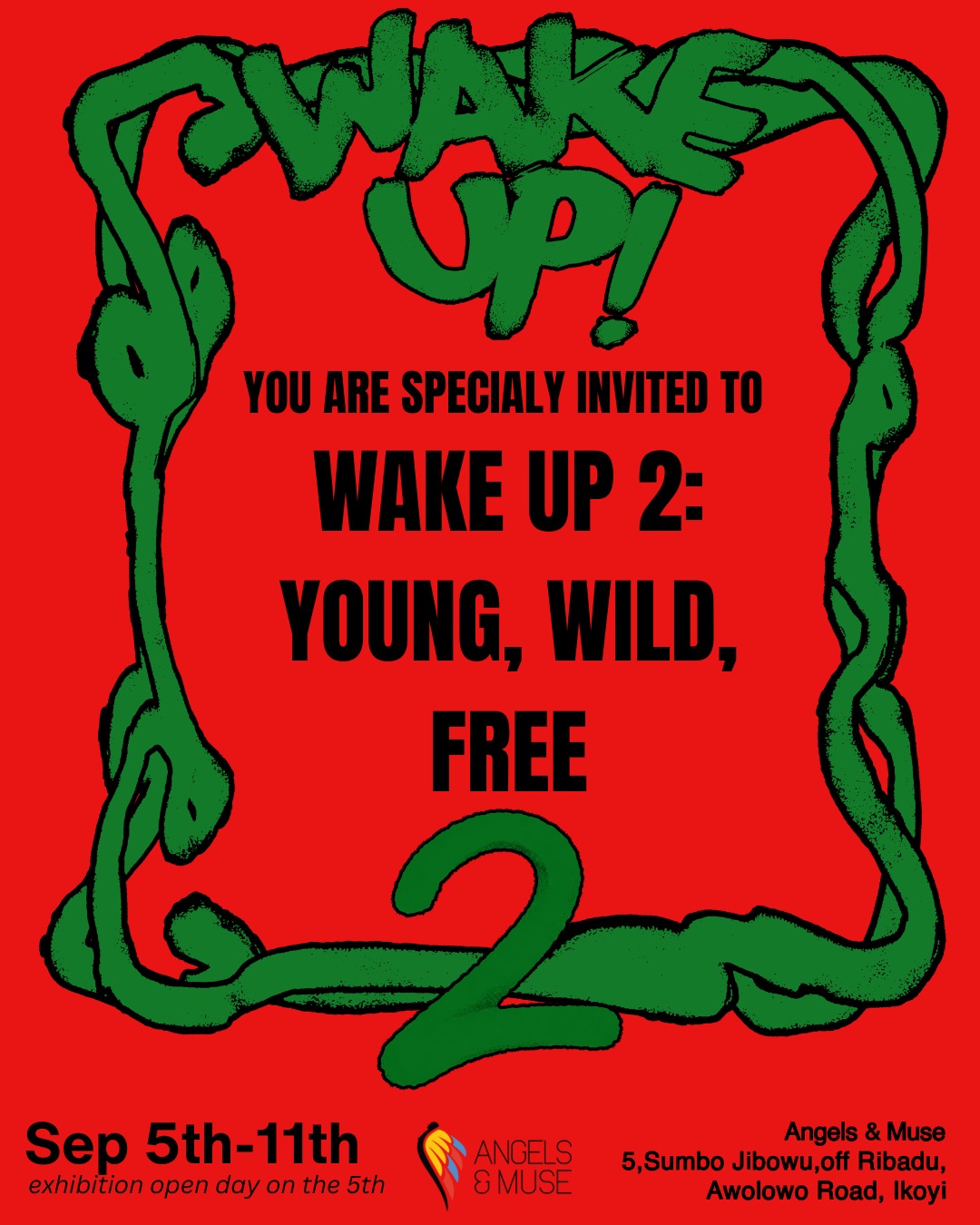
The contemporary art and photography exhibition “Wake Up!” is back again for a second edition.
Curated by Awele Onwordi, Wake Up! 2 exhibition pays homage to the Nigerian youth and burgeoning street culture which many of its contributing artists reference in their works.
Also read: Five rising stars battle for 2026 Headies Next Rated
Titled “Young, Wild, Free”, the exhibition celebrates the creativity, resilience, freedom and cultural influence found in Nigerian youth.
Taking aim at societal issues and economic concerns, the exhibit reflects the youth and their refusal to compromise or bow despite all the challenges stacked against them while charting youth culture through art, music, fashion, skateboarding, photography and community.
The exhibition will be held, once again, at the Angel and Muse Gallery at 25 Sumbo Jibowu street off Ribadu Road off Awolowo Road in Ikoyi.
It will open on Saturday 5 September 2026 and will run until 11 September 2026
This second edition which focuses on celebrating, nurturing and exploring artistic practices rooted in youth and street culture will feature works from DENCITY and SUPERGLIDER HOUSE.
Exhibiting artists include Ajilore Kehinde – their work is deeply influenced by Nigerian street culture and works of other artists like Slawn, Peters Ejiro, etc, Chuka Onwordi – graphic designer who embodies themes of death, melancholy and beauty in his works, ZIDYEP – Abuja based creative whose works move between digital and physical spaces through art, graphic design and air brushing , Franklyn Okoye – graphic designer and artist whose works explore themes of identity and hyper-reality, Awele Onwordi – founder & curator of WAKE UP and multidisciplinary artist whose practice spans character art, creative logo design, album covers and more , Oluchi Kogolo – digital illustrator whose work explores street culture, personality and storytelling through a raw and playful visual style and Kozetuo Apeji – multidisciplinary artists who work explores experimental approaches to problem solving through both digital and traditional art forms.

Commenting on the exhibition in her curatorial statement, Awele noted that “despite economic instability, limited opportunities and socio-political challenges, Nigerian youth continue to shape culture through music, fashion, art, skateboarding, raves, photography and community.”
Also read: Five rising stars battle for 2026 Headies Next Rated
Continuing and harping on the raison d’etre of the exhibition she said, “Young, Wild and Free exists to celebrate Nigerian youth while also creating a platform that supports and amplifies them.”

Fowode Launches Ijebu Detty December for 3-Day Festival

Adewale Ayuba Announces New 5-Track ‘Arise’ Album

Rechael Okonkwo’s Carnival Brings Free Healthcare to 5,000 Residents


 Business3 years ago
Ooni of Ife Discusses Business and Peace Initiative in Kenya
- Culture3 years ago
The Four Igbo Market Days and Their Significance In Omenala ÌGBÒ
- Events4 years ago
Glamour, glitz as B’obagunwa Omo’ba Obinrin Akile Ijebu celebrates New Year party (Photos)
- Culture4 years ago
Outrage as Ezendigbo of Ibadanland confers chieftaincy title on Olubadan
- Events4 years ago
Onitoomu of Ito-Omu installs two new chiefs (Video, Photos)
- Events2 years ago
Egbe Bobasete: The New Fashion Sensation Elevates 2024 Ojude Oba Festival (Video, Photos)
- Paranormal4 years ago
Black Cat Superstition: Good and Bad Luck Beliefs
- Events3 years ago
Laminisa I, HRM Oba Dr. Lawal, marks 15years on throne


