Connect with us

Culture

IPADA Initiative Celebration 2025 Inspires Cultural Renaissance

Published

on

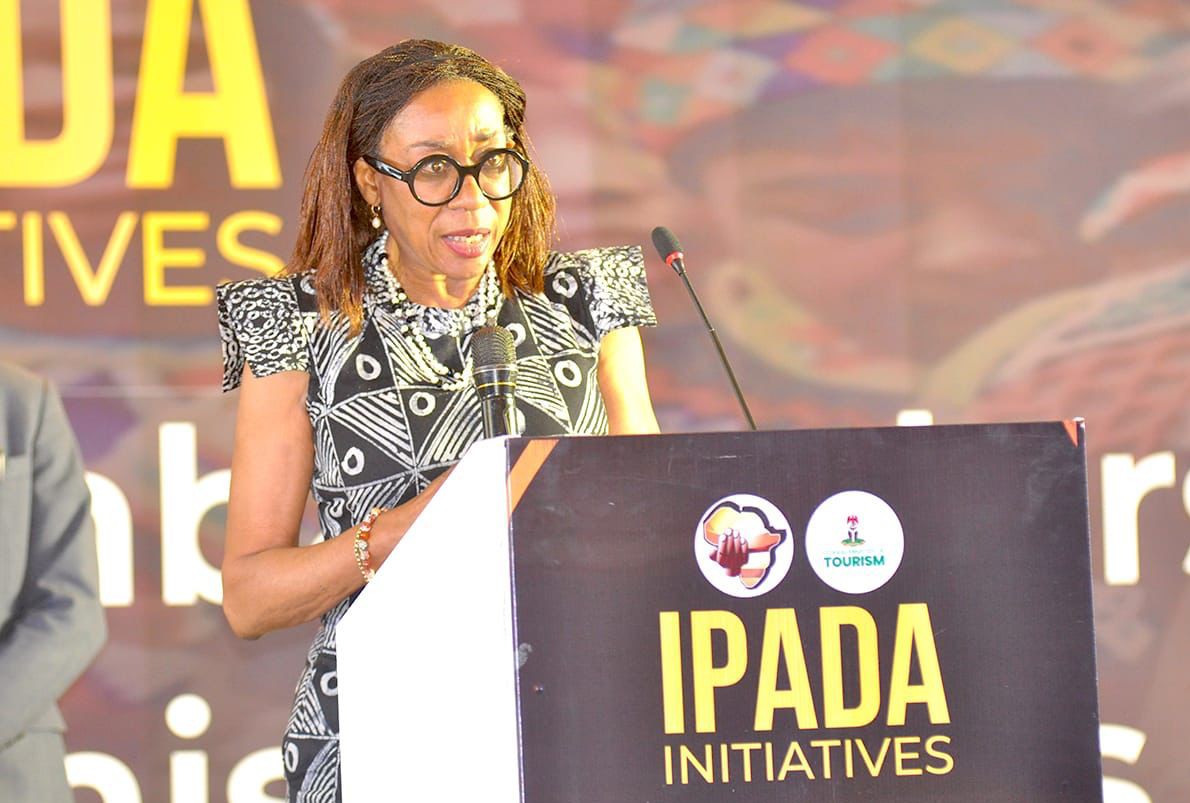
IPADA Initiative Celebration

IPADA Initiative Celebration 2025 promises a powerful cultural renaissance at La Campagne Tropicana, celebrating Africa’s art, theatre and heritage

IPADA Initiative Celebration 2025 is generating palpable excitement as preparations intensify for the 10-day cultural festival scheduled to take place from 28 November to 7 December 2025 at the La Campagne Tropicana Beach Resort, Ikegun Village, Ibeju-Lekki, Lagos.

Also read: Nigeria Hails China over Women’s Film Festival

The globally acclaimed event, conceived by Otunba Wanle Akinboboye, Founder and President of La Campagne and Motherland Beckons, continues to cement its place as one of Africa’s grandest celebrations of heritage, identity and tourism.

This year’s edition promises a powerful blend of culture and creativity, with theatre taking centre stage.

The highlight will be two original plays written by Cash Onadele Aiye-Ko-Ooto, performed by a talented cast of professional Nigerian artistes known for their mastery of live performance.

The organisers described the forthcoming festival as “not just a carnival, but a cultural awakening — a renaissance of art, a celebration of heritage, and an affirmation of African identity.”

According to them, IPADA 2025 will be ten magical days and nights of Africa Rising, where the continent’s theatrical heritage unfolds in its purest form — complete with drama, music, dance, costumes and lighting that recreate the splendour of African storytelling.

“Aiye-Ko-Ooto’s stories elevate theatre; they are Africa’s stories — yours, mine and ours,” the organisers said. “You don’t just come to watch; you come to become part of history, part of destiny.”

They described the performances as “a cultural revolution — a rebirth of heritage and a reclaiming of Africa’s pride.” Each drumbeat, each movement, they said, echoes one truth: “Africa is the shell to the soul of man.”

The IPADA Initiative Celebration— meaning mass exodus of people—was established to reconnect people of African descent with their roots and to reimagine Africa as a thriving hub of tourism, investment and creativity.

Supported by the Federal Government of Nigeria, various state governments, corporate bodies, and the Ministry of Arts, Culture, Tourism and Creative Economy, the event has President Bola Ahmed Tinubu as its Global Ambassador, Chief Host and Grand Patron.

Akinboboye explained that the initiative is designed to attract millions from the African diaspora back to the continent.

“We have over 200 million people of African descent across the world. IPADA presents Africa in a single basket — an African shopping mall — where our brothers and sisters from the Diaspora can reconnect, invest and add value to the continent,” he said.

Lagos and Abuja have been designated as gateways to the continent, offering year-round programmes that culminate in the annual grand celebration at La Campagne Tropicana.

Also read: Africa’s Digital Epicentre: Lagos Ignites Global Tech Stage at GITEX 2025

As the countdown begins, anticipation builds for an unforgettable experience that promises not only entertainment but a renewed sense of cultural pride and connection to Africa’s roots.

Culture

Dexter Loko Wins Prestigious 2026 Chinua Achebe Prize

Published

on

 Dexter Loko Wins Chinua Achebe Prize for his 170,000-word fantasy novel, The Bako of Zereshé, at the 2026 ANA convention in Abuja

(more…)

Continue Reading

Culture

Ofala festival: Obi of Onitsha marks 25 Years on throne

Published

on

 Ofala Festival 2026 celebrated Onitsha’s royal heritage as Obi Nnaemeka Achebe marked 25 years on the throne and addressed Nigeria’s economic challenges.

(more…)

Continue Reading

Culture

Crowds Gather for Rare Sunrise at Egypt’s Abu Simbel Temple

Published

on

Abu Simbel

Hundreds of tourists gathered at Egypt’s Abu Simbel temple to witness the twice-yearly sunrise ceremony illuminating Pharaoh Ramses II’s statue

Hundreds of tourists gathered at Egypt’s Abu Simbel temple on Thursday to witness a spectacular sunrise phenomenon in which sunlight illuminated the face of the statue of Pharaoh Ramses II, an event that occurs only twice a year.

Also read: 16 Famous Cultural Festivals That Define India

The ancient astronomical ceremony drew visitors from different parts of the world to the archaeological site in southern Egypt on October 22, one of two dates associated with the phenomenon.

The second occurrence takes place on February 22, when the rising sun illuminates the temple’s interior.

Egyptian tour guide Yasser Fouad described the occasion as extraordinary, saying some visitors had stayed overnight to secure the opportunity to witness the event.

“Today is an extraordinary day, everyone is keen, there are people who stayed over the night, foreigners who actually spent the night in Abu Simbel to see this phenomenon,” Fouad said.

The Great Temple of Ramses II at Abu Simbel dates back to the 13th century BC and is among Egypt’s most prominent archaeological attractions.

Built during the reign of Ramses II, one of ancient Egypt’s most powerful pharaohs, the temple is renowned for its monumental statues and sophisticated architectural design.

The twice-yearly sunrise phenomenon is a major attraction, drawing visitors eager to witness the interaction between sunlight and the temple’s ancient structure.

The dates have traditionally been associated with significant moments in Ramses II’s life.

October 22 is commonly linked to his birthday, while February 22 is associated with his accession to the throne.

However, the precise historical reasons behind the dates remain debated.

Some archaeologists have proposed alternative explanations, including that they may have marked the pharaoh’s coronation and birthday.

Abu Simbel underwent a major international rescue operation in the 1960s, when archaeologists and engineers relocated the temples to protect them from flooding caused by the construction of the Aswan High Dam.

The monumental structures were cut into large blocks and reassembled at a higher location, preserving the site for future generations.

The relocation was one of the most significant archaeological preservation projects of the 20th century.

Despite the move, the temple continues to attract visitors for its ancient Egyptian art, monumental architecture and remarkable alignment with the rising sun.

Also read: 16 Famous Cultural Festivals That Define India

The annual gatherings highlight the enduring appeal of Egypt’s archaeological heritage and the continuing fascination with the astronomical knowledge and engineering achievements of its ancient civilisation.

Continue Reading

Trending