The cancellation of the Kano Sallah Durbar, a key cultural event, has led to disappointment among international visitors and disrupted Guinness World Record plans.
The recent cancellation of the Sallah Durbar in Kano has caused a significant stir, particularly among those who had travelled from around the world to participate.
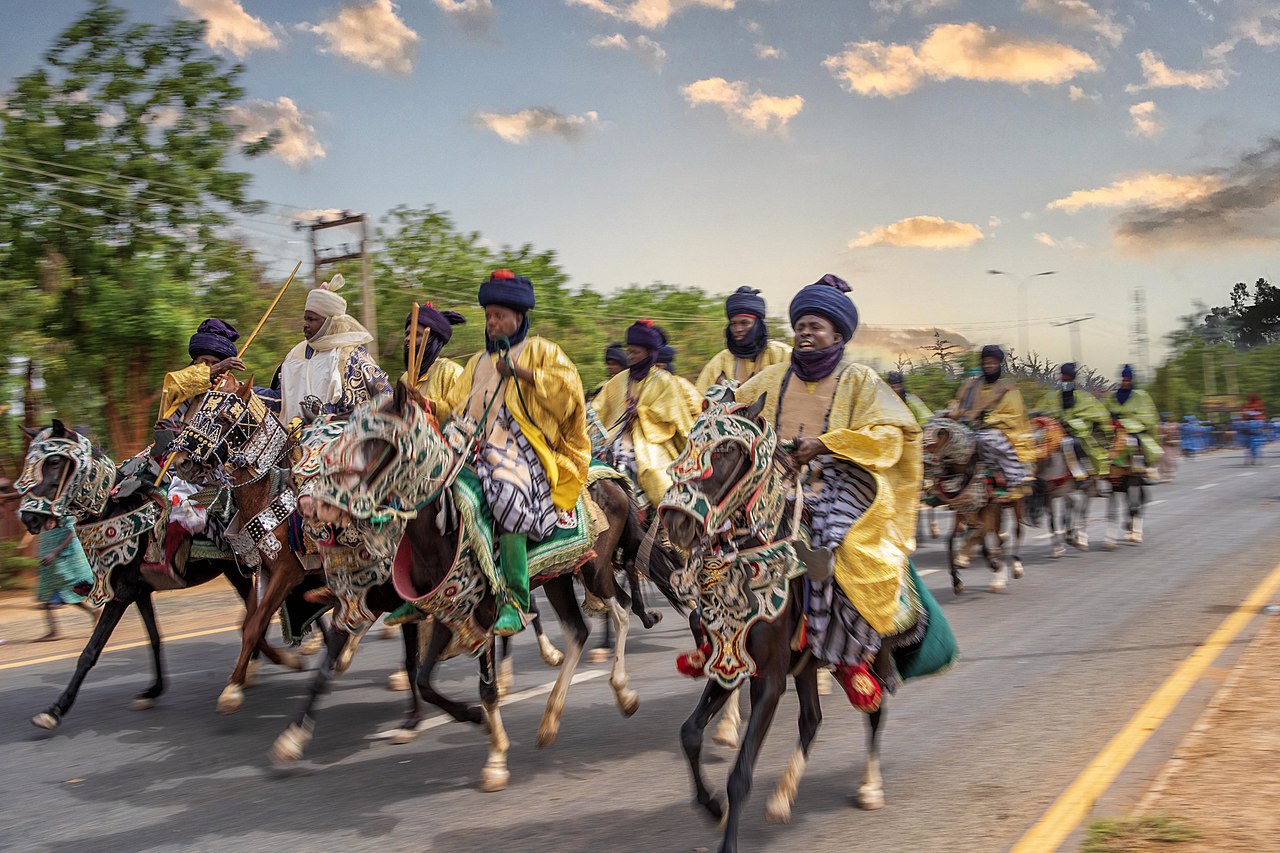
Lekan Okanlawon, a United Kingdom-based Nigerian, was leading a group of over 160 enthusiasts to Kano in hopes of securing a Guinness World Record for the largest gathering of horse riders.
The cancellation, which occurred just before the event, left many disappointed, especially after months of meticulous planning and anticipation.
Okanlawon’s team included polo players, cultural tourists, and riders, many of whom had imported horses from the UK specifically for the occasion.
The event, which typically attracts more than 5,000 horses, is unique in its scale and significance. Okanlawon, speaking to journalists in Kano, described the cancellation as heartbreaking, especially given the global attention the Sallah Durbar could have garnered if the world record attempt had been successful.
“Our objective was to put Kano on the global map by securing a Guinness World Record,” Okanlawon said.
“The Durbar is unmatched anywhere in the world, with over 5,000 horses. To arrive and be told that the event had been cancelled was a huge letdown.”
He went on to highlight that the group’s interest in the Durbar was further amplified by its recognition as a UNESCO cultural heritage event, which further underlined the potential of such events to attract global tourism and cultural recognition.
In a call for better coordination and planning, Okanlawon urged the Kano State History and Culture Bureau to work closely with the Ministry of Creative Economy to better harness the global tourism potential of the Sallah Durbar.
“With proper planning, this heritage celebration can draw significant international attention and recognition,” he said.
The impact of the cancellation was felt by many other international attendees, including American tourist Virgil Taylor. Taylor, who had spent over a year planning his visit to Kano, was also devastated by the sudden change.
“Witnessing the Durbar was on my bucket list,” he said. “As a black man from the United States, it meant a lot to see African culture on such a majestic scale. To have it cancelled after all that travel was devastating.”
The Kano State History and Culture Bureau responded to the concerns, with Executive Secretary Ahmad Yusuf acknowledging the emotional and economic toll caused by the cancellation.
Yusuf assured that measures would be taken to avoid such disruptions in future events, emphasising the importance of stronger collaboration among cultural stakeholders to ensure that Kano’s heritage events meet international expectations.
With the Sallah Durbar’s potential for cultural tourism at stake, this incident calls attention to the need for better organisation of heritage events in Nigeria, particularly those that have global significance.
For Kano to fully realise the benefits of its cultural offerings, a more robust planning framework and international engagement are essential.







 Business3 years ago


